

Attractions
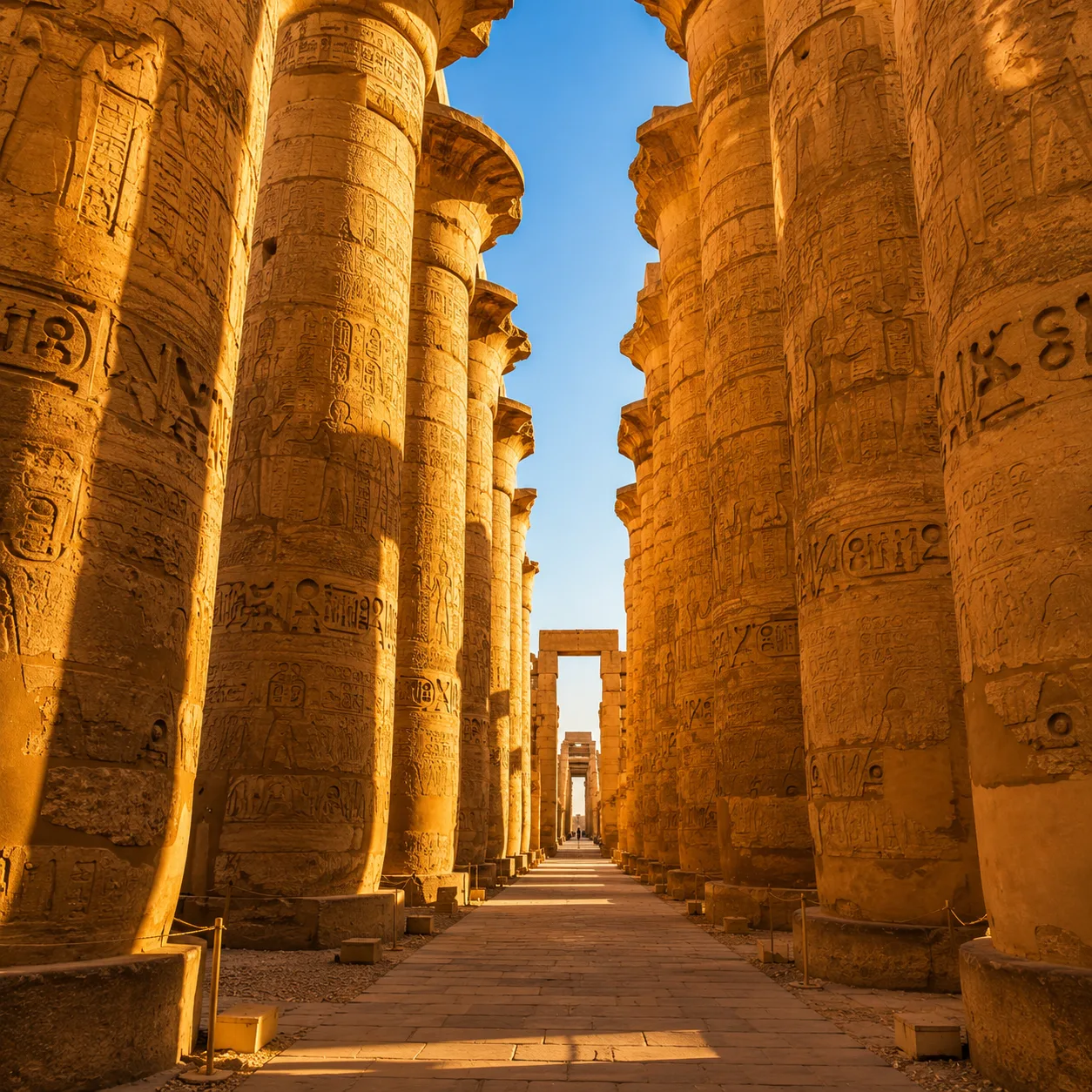
© René HourdryKarnak Temple
4.8·$14·3h
35 destinations
Nile Valley
Ancient Thebes spreads across both Nile banks — temples of the living to the east, tombs of the eternal to the west.


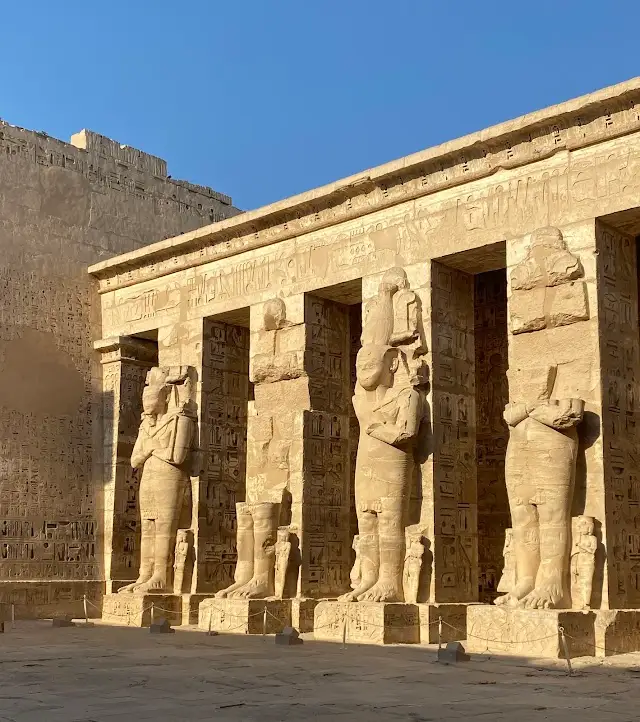
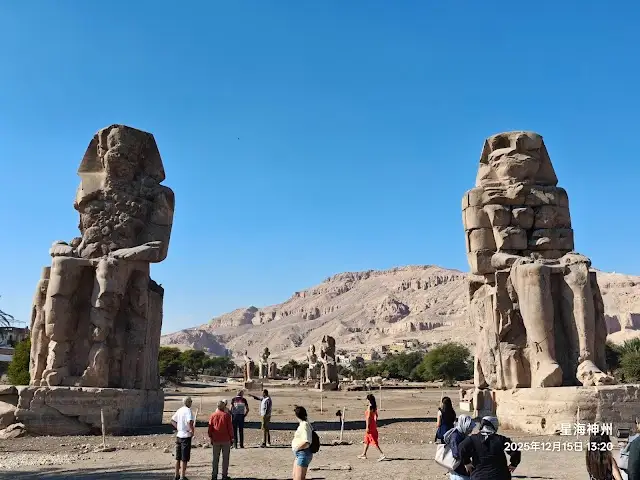
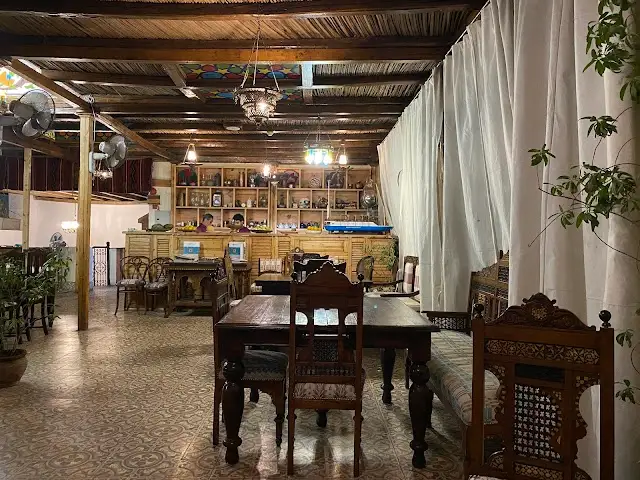
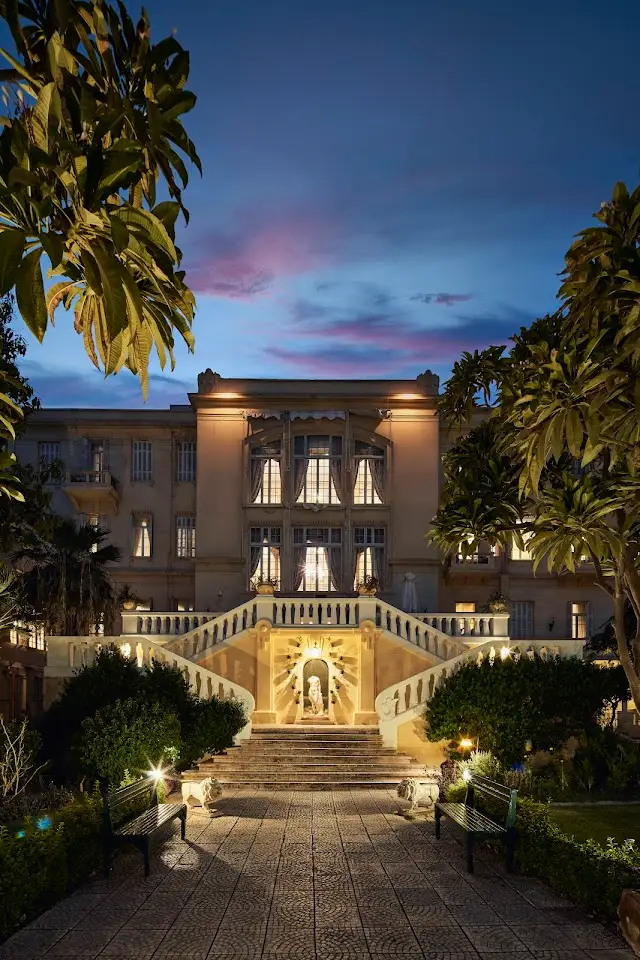
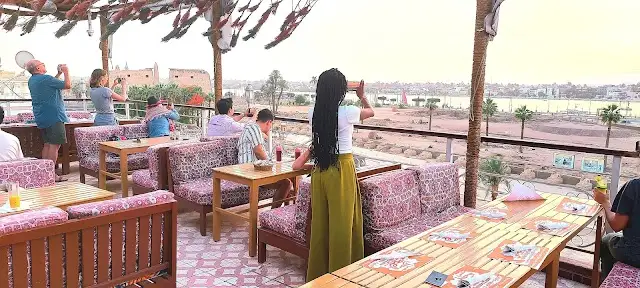

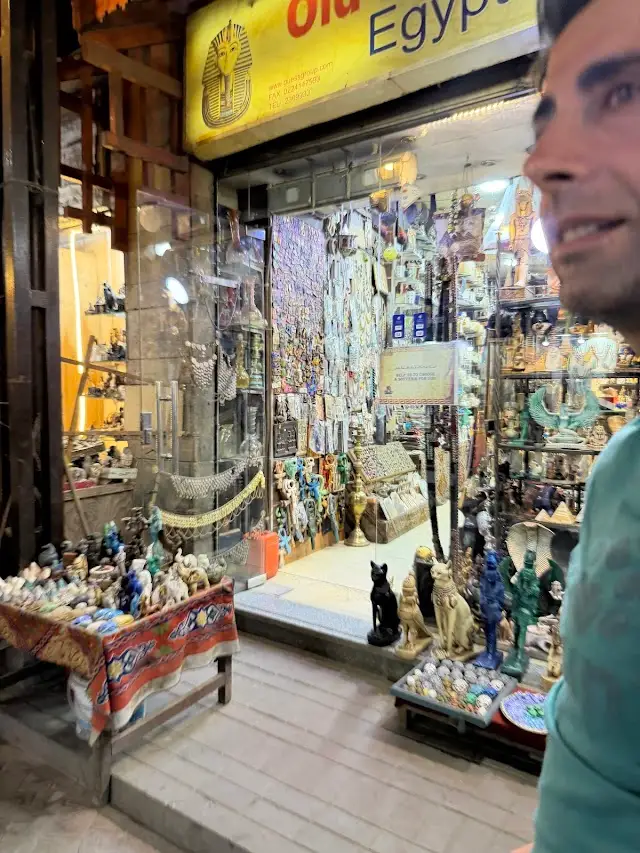
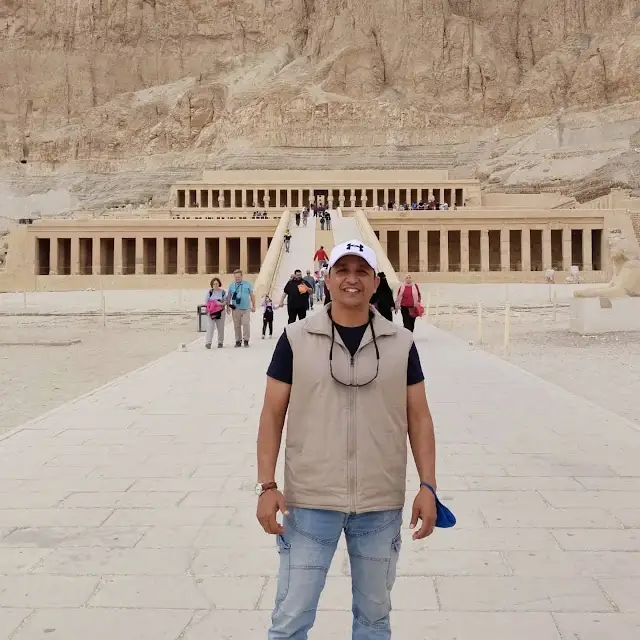
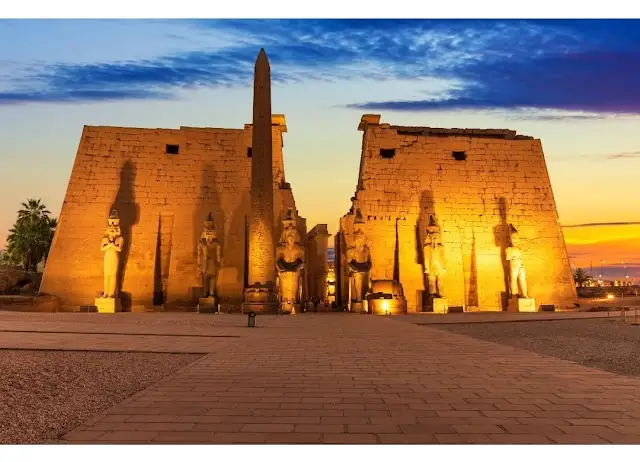

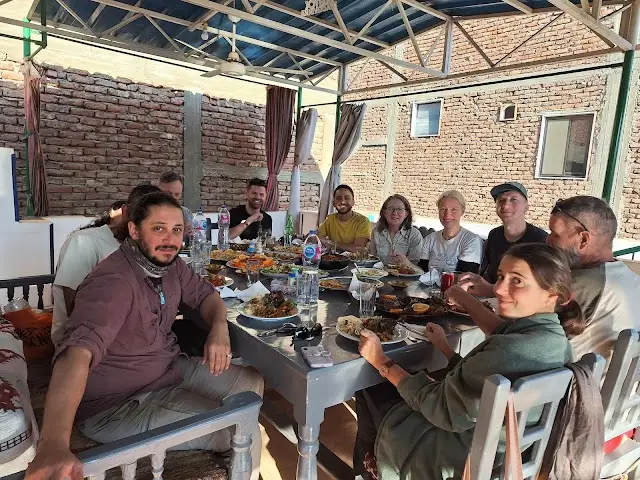
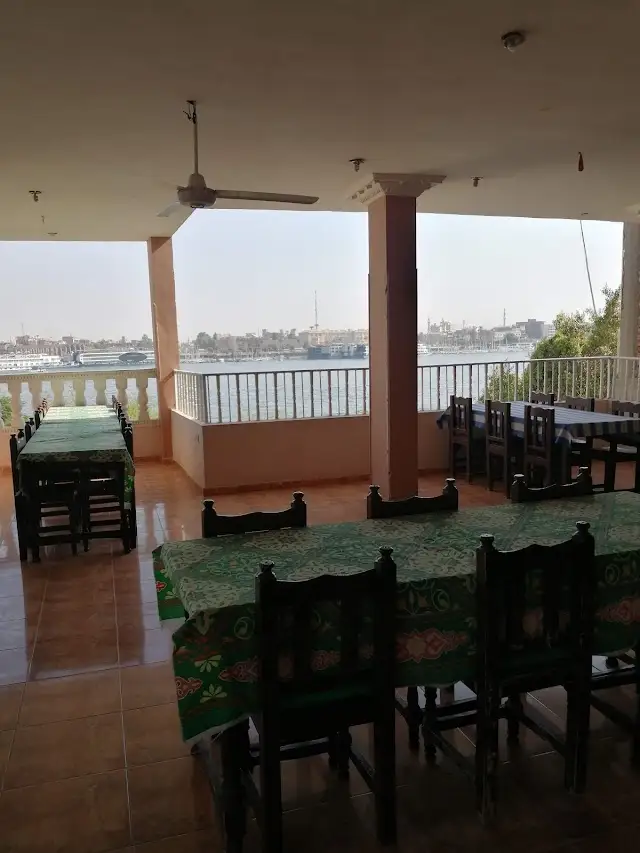
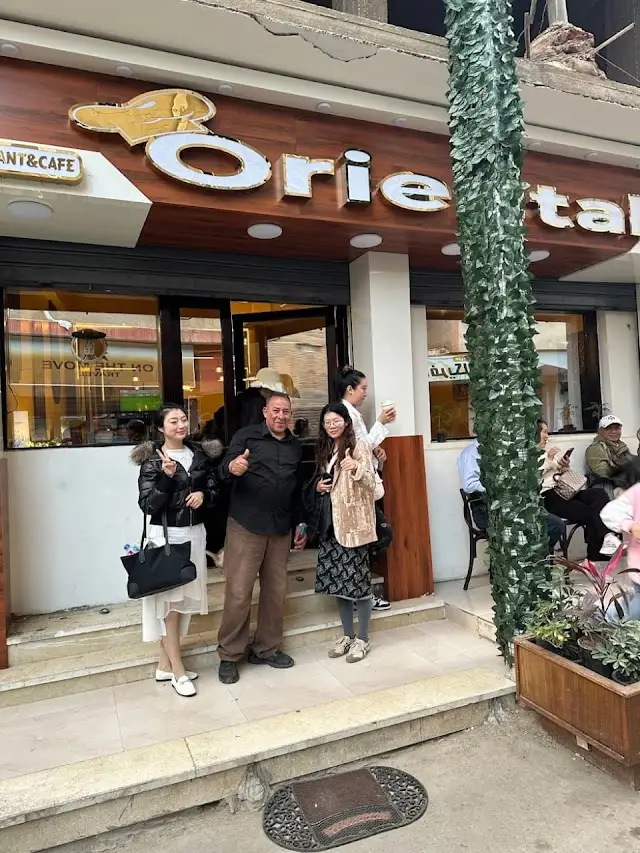
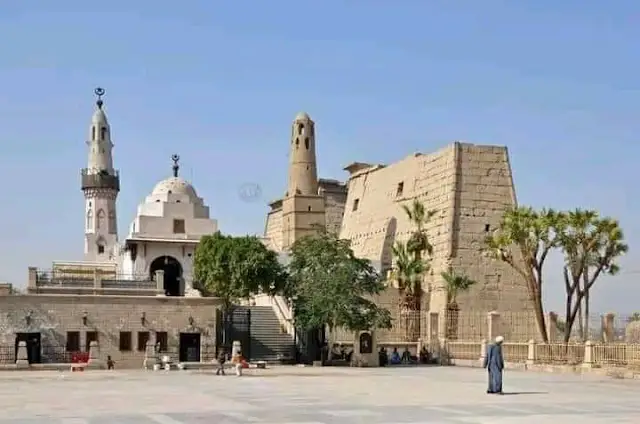
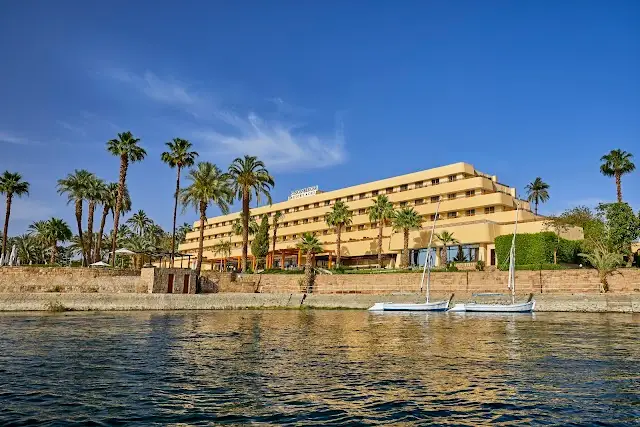
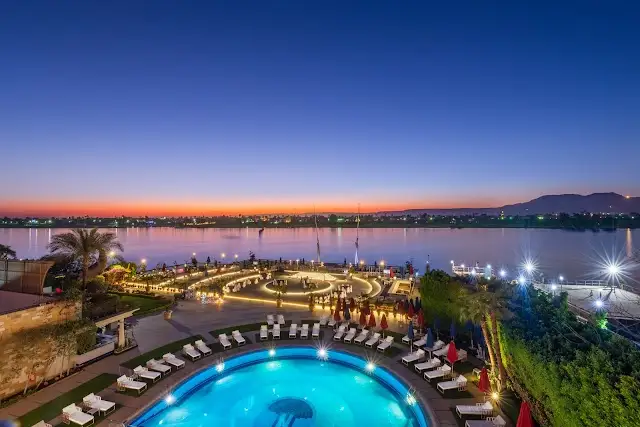
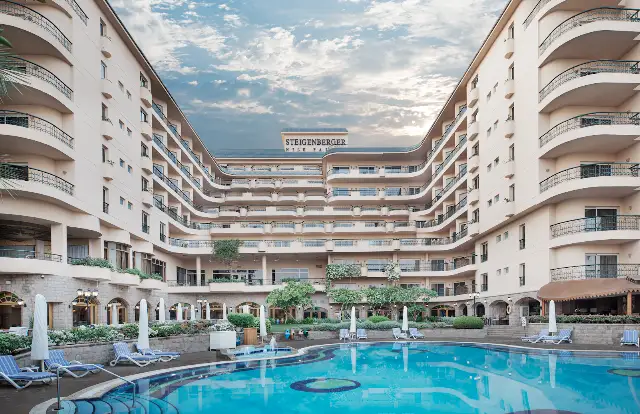
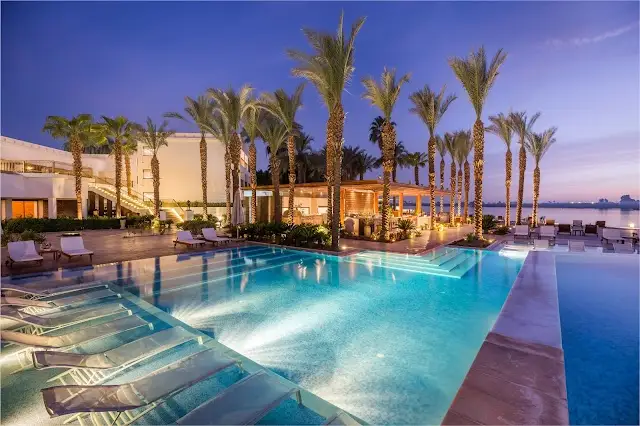
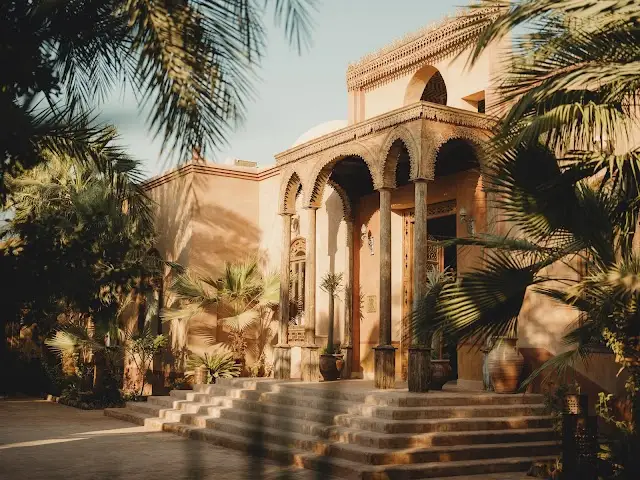
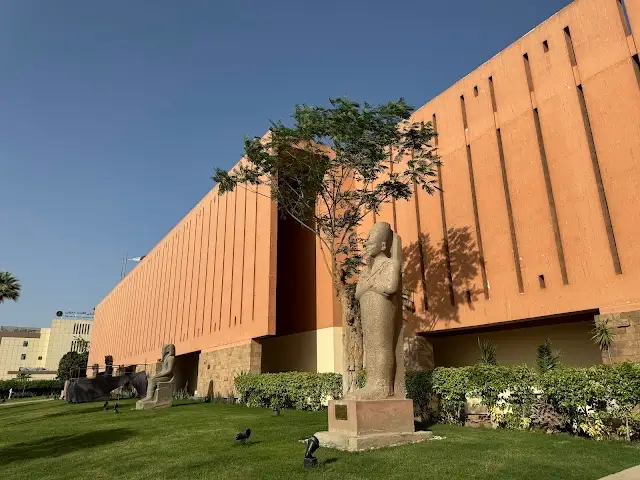
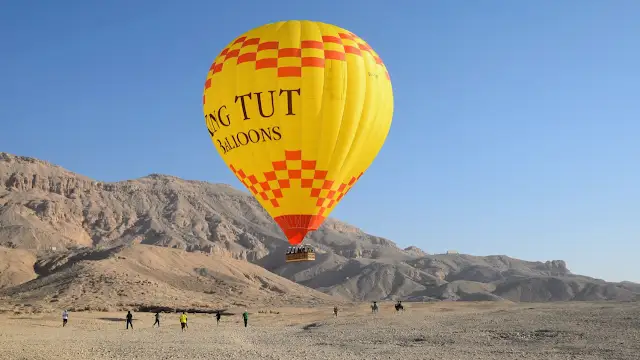
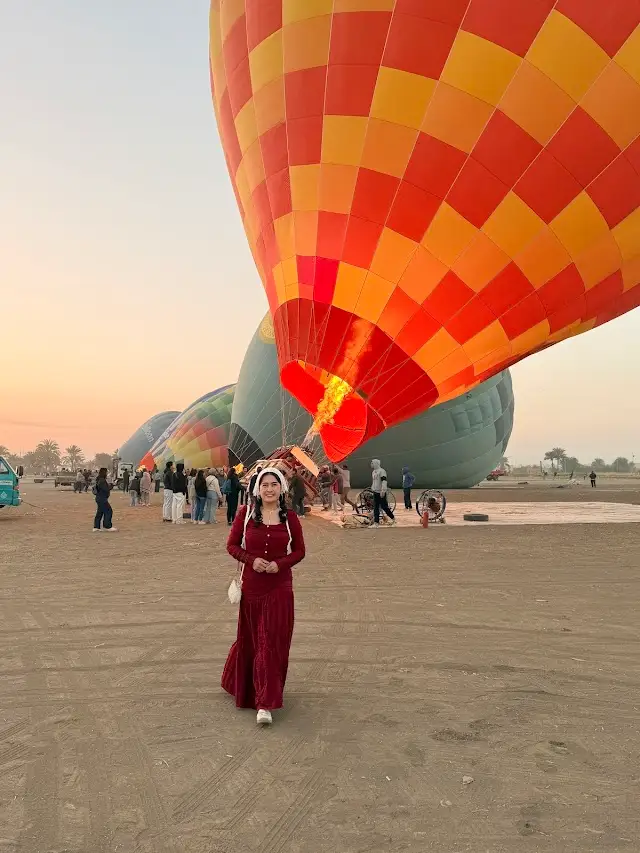
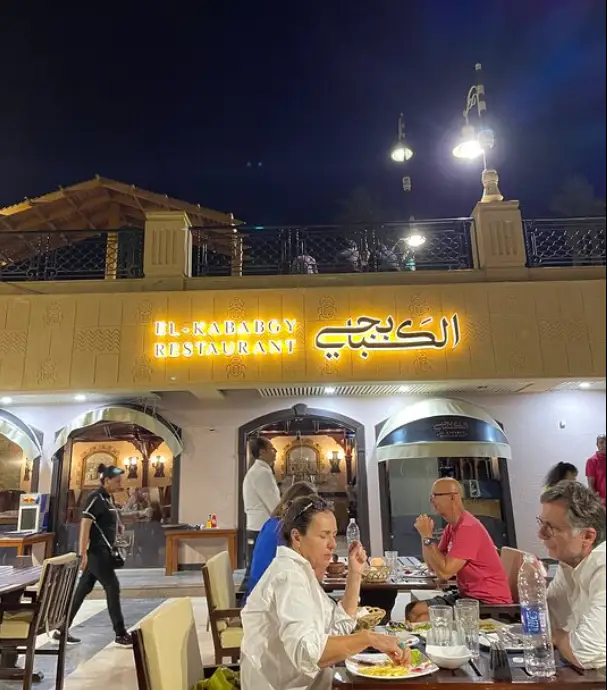
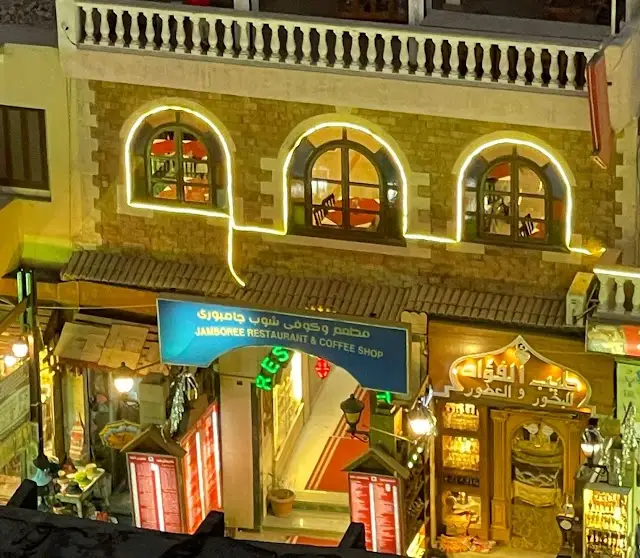

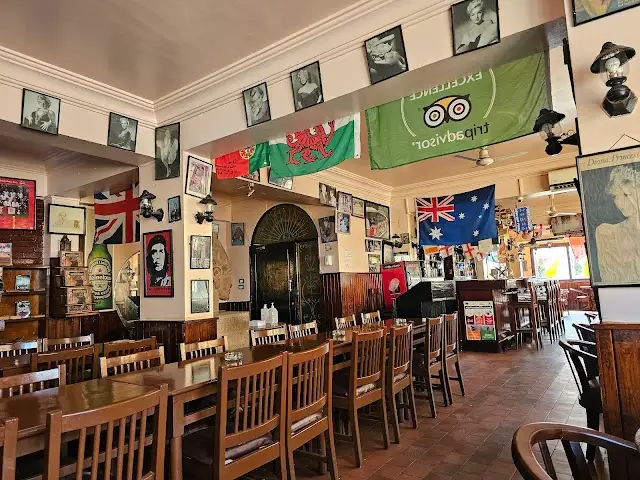
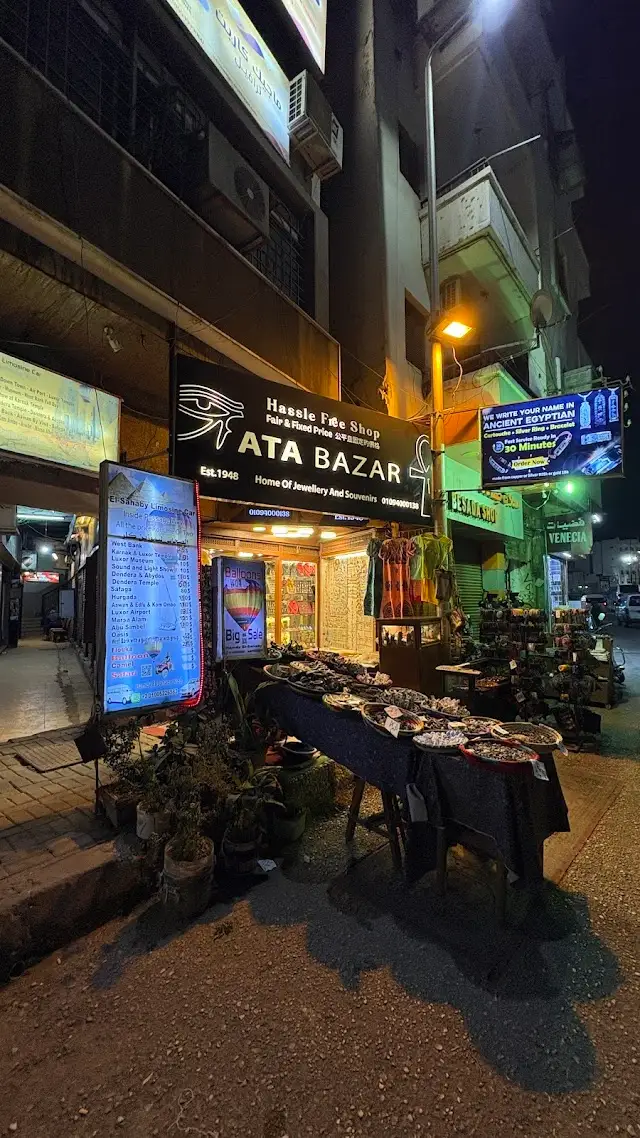
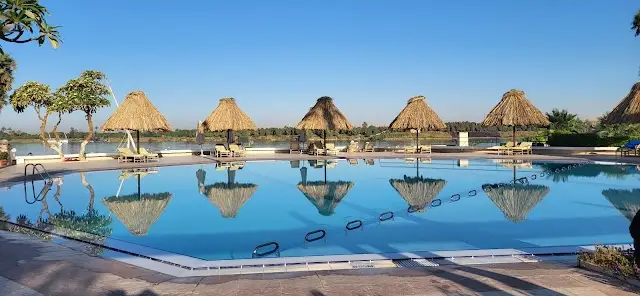
Luxor through the eyes of travelers who've been there.
Sign in to share your own photos of Luxor.
Sign inExplore by category
Curated by the egyptway editorial teamUpdated June 2026
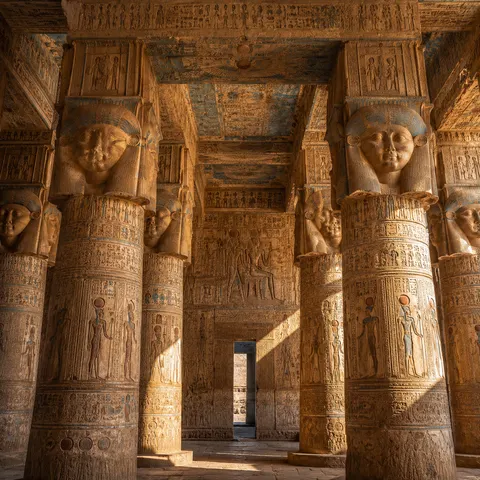
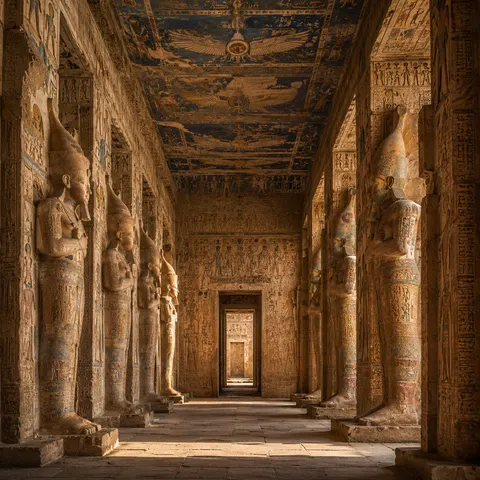
Luxor is built on the bones of Thebes, capital of Egypt at its New Kingdom zenith, and the city still keeps the ancient logic of the Nile: the living on the sunrise east bank, the dead on the sunset west. It is often called the world's greatest open-air museum, and the claim is hard to argue with when a single town holds Karnak, the Valley of the Kings and the Temple of Hatshepsut within a few kilometres of one another.
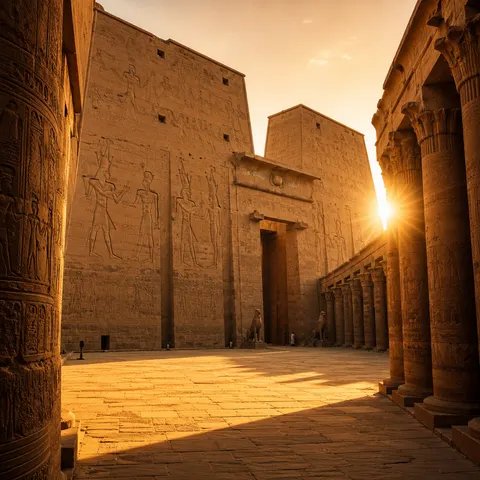
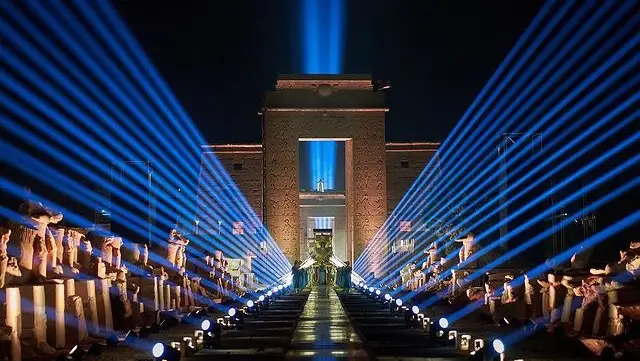
On the east bank, Karnak is the largest religious complex ever built — its Great Hypostyle Hall a petrified forest of 134 colossal sandstone columns — and Luxor Temple anchors the modern town, breathtaking when floodlit after dark. The two were once joined by the Avenue of the Sphinxes, the 2.7-kilometre processional road grandly reopened in 2021 and now the city's headline walk. Cross to the west bank and the register changes from temple to tomb: 63 pharaohs including Tutankhamun lie in the vividly painted rock-cut chambers of the Valley of the Kings, while Hatshepsut's colonnaded terraces rise straight out of the cliffs at Deir el-Bahari and the Colossi of Memnon keep watch over the approach.
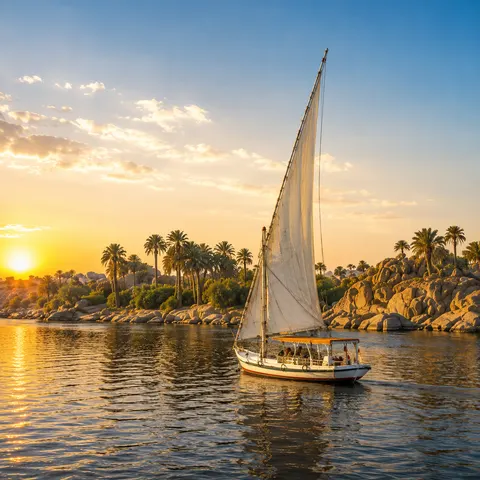
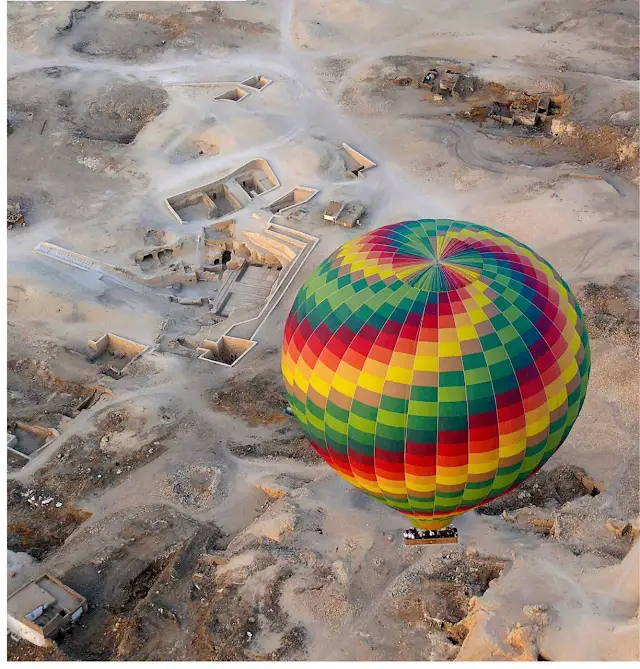
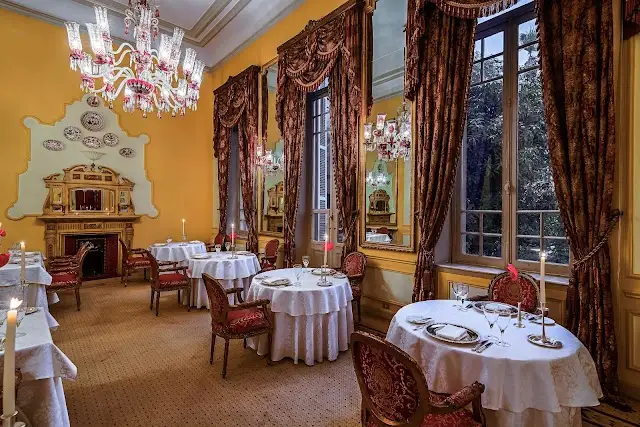
The signature Luxor experience floats above all of it: a hot-air balloon at dawn, drifting over the Theban necropolis as the first light ignites the temples, the river and the green strip of valley below. Afterwards the city slows to Nile time — a felucca to Banana Island, a tagine in a restored 1930s townhouse, a sunset on the corniche where Howard Carter once announced the find of the century.
October to March is the season: Luxor sits in Upper Egypt where summer heat is ferocious, regularly topping 40°C, so the cooler months are when the open desert sites become bearable. Even then, do the Valley of the Kings and Karnak at opening and save the shaded interiors or a riverside lunch for the hot middle of the day. Balloon flights and the Luxor Temple after-dark visit are the cool-hour highlights.
The Nile splits the sights in two, and how you cross is part of the trip: the local ferry is cheap and constant, while a private motorboat or felucca is the scenic option. The west-bank monuments are spread across several kilometres of desert, so hire a taxi or guide for the day rather than walking between tombs — and consider the Luxor Pass, one ticket covering every east- and west-bank site for five days, with a premium tier that even unlocks Nefertari's and Seti I's tombs. A specialist Egyptologist guide is worth it on the west bank, where the tomb paintings reward far more than the placards explain.
The best time to visit Luxor is October–March, when the weather is at its kindest for sightseeing.
Plan around 2 days in Luxor to enjoy the highlights without rushing — add more if you like a slower pace or day trips.
In Luxor, don't miss Karnak Temple, Valley of the Kings, Luxor Temple, Hot air balloon at sunrise, and Sofra Restaurant & Café.
Ratings & photos from Google