

Attractions
© Olaf TauschTemple of Kom Ombo
4.7·$10·1.5h
35 destinations
Nile Valley
A riverside town where a perfectly symmetrical twin temple rises straight from the Nile bank — dedicated equally to the crocodile god Sobek and the falcon Haroeris — beside a museum of mummified crocodiles.

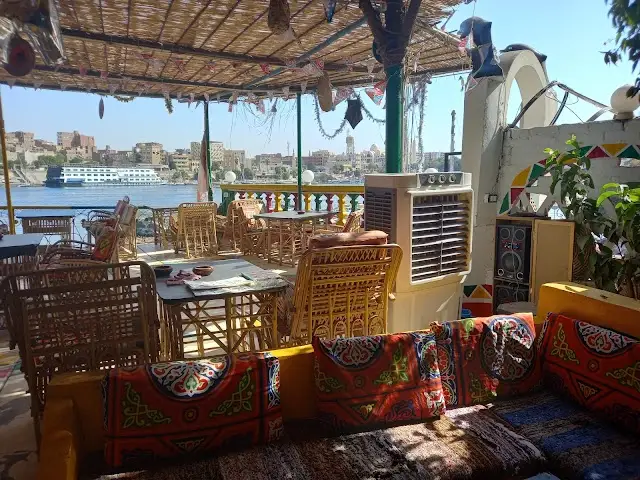
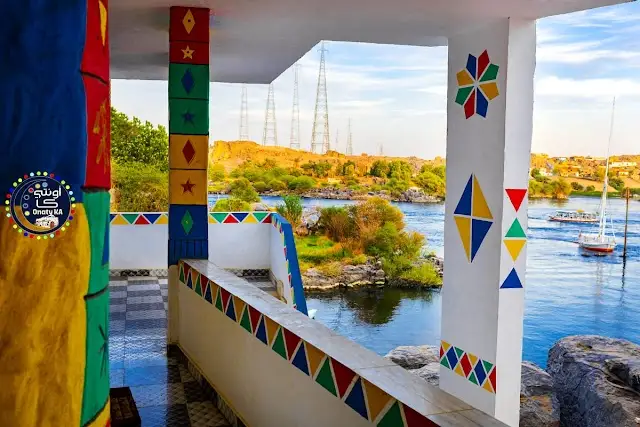
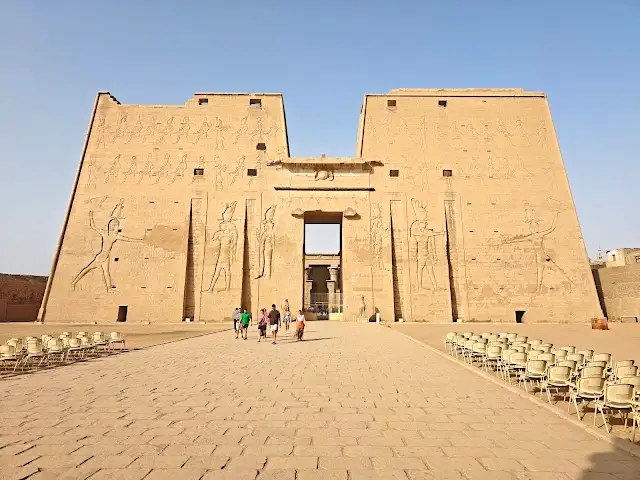
Kom Ombo through the eyes of travelers who've been there.
Sign in to share your own photos of Kom Ombo.
Sign inExplore by category
Curated by the egyptway editorial teamUpdated June 2026
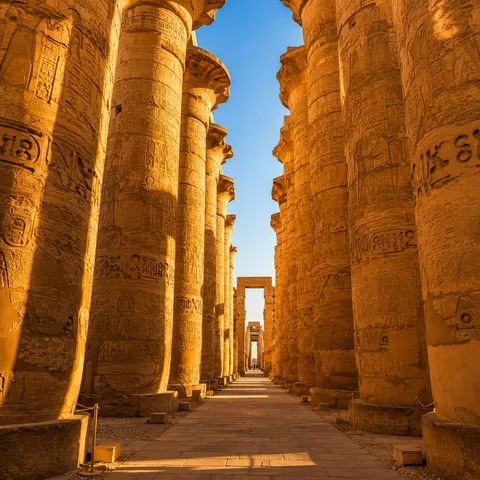
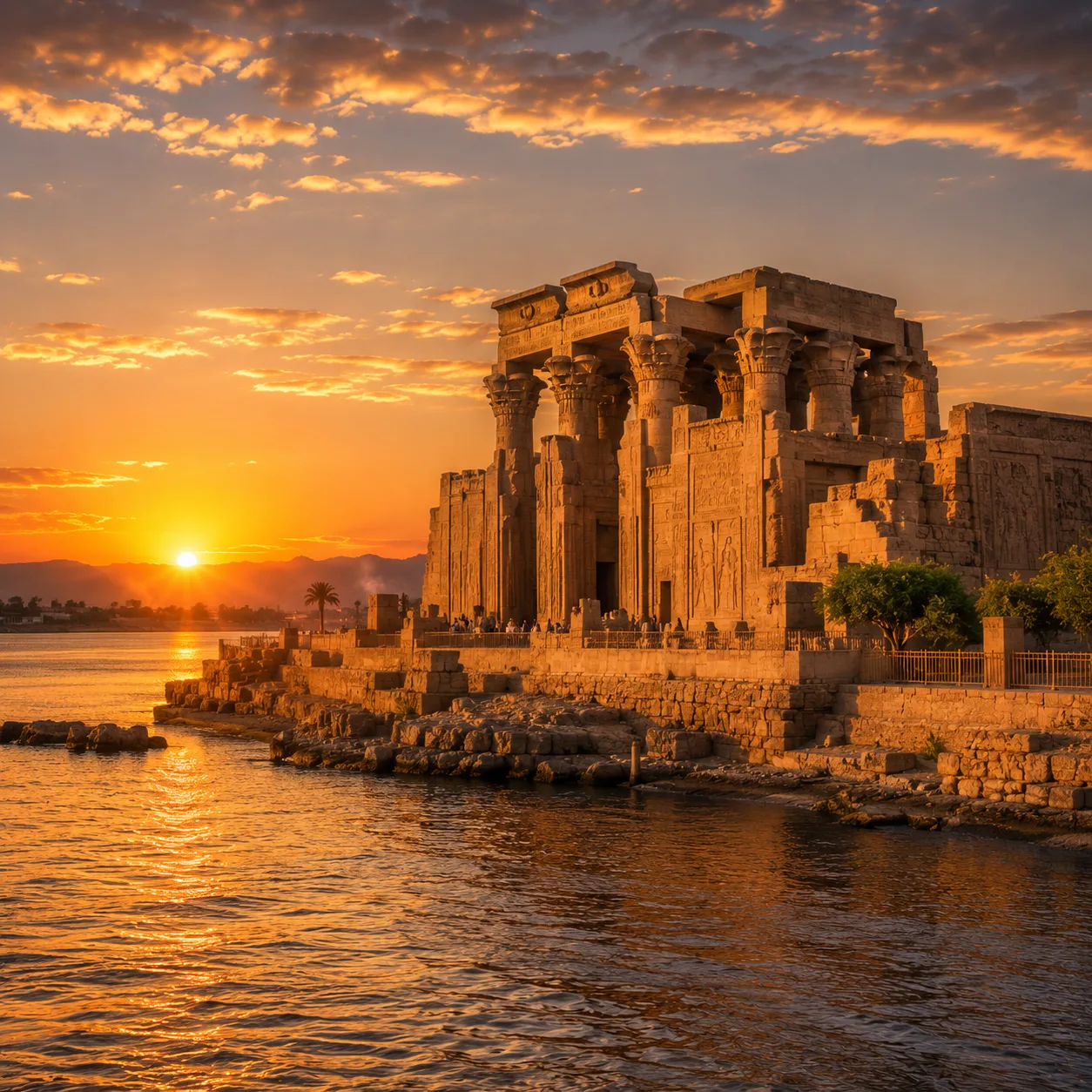
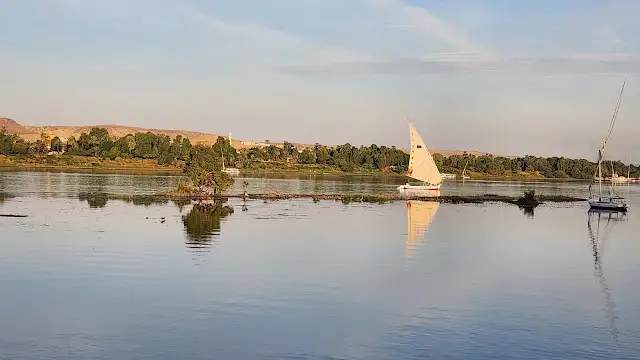
Kom Ombo greets the river head-on. Where most Egyptian temples sit back from the Nile, this one stands on a bend of the bank so close to the water that cruise boats moor almost at its feet, and the columns catch the late sun straight off the river. The setting is half the magic — sugarcane country stretching away behind, feluccas tacking past, and the temple glowing apricot at dusk. It is a small town with a single, strange and beautiful reason to stop, and the approach by water, with the sanctuary rising slowly into view, is one of the loveliest arrivals on the whole Nile.
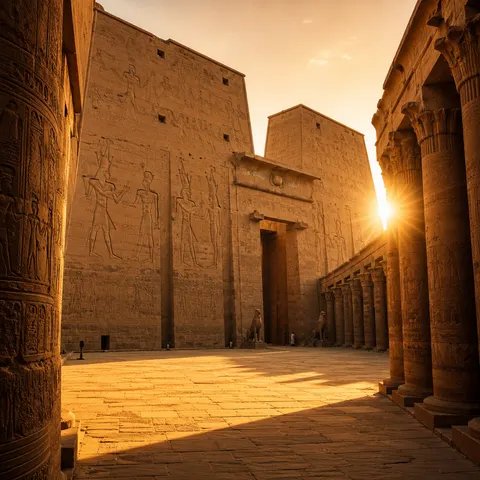
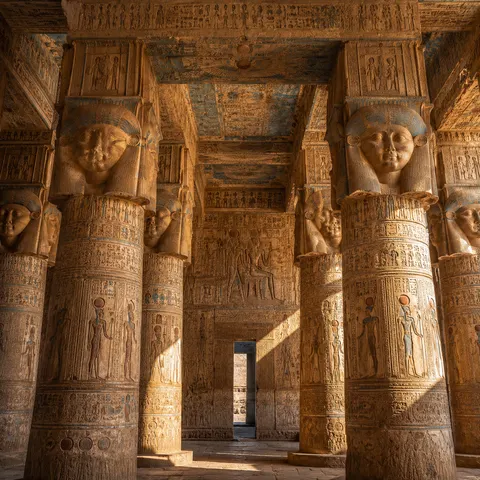
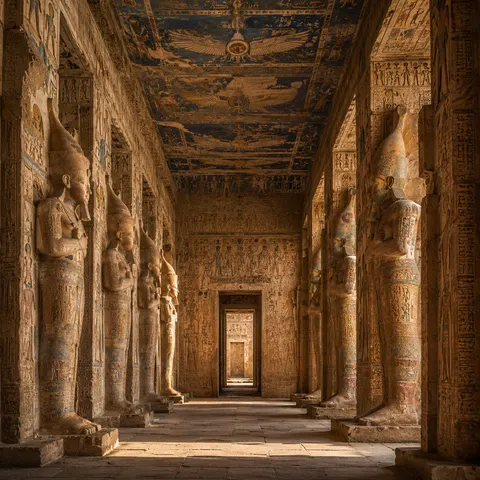
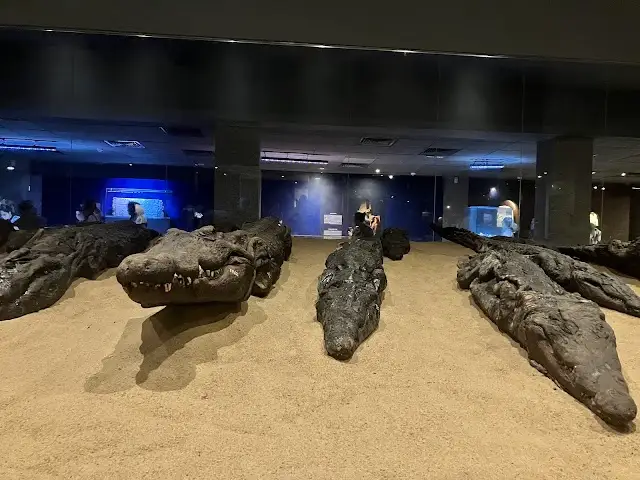
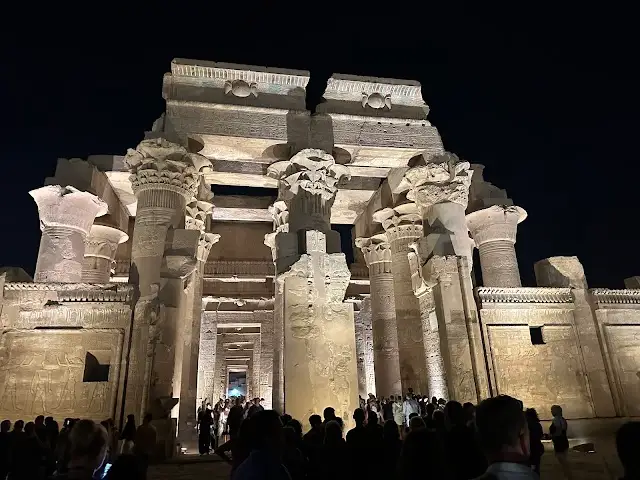
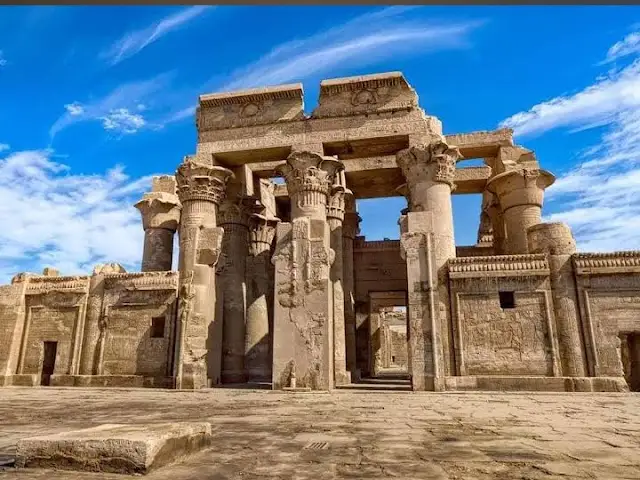
What makes the temple extraordinary is its doubleness. It was built for two gods at once and split perfectly down the middle — twin entrances, twin halls, twin sanctuaries — the southern half for Sobek, the crocodile god, the northern for Haroeris, a form of the falcon Horus. Everything comes in pairs, mirrored with uncanny symmetry. On one wall, carved in stone, is a famous panel of surgical and medical instruments — forceps, scalpels, scales — among the earliest such images known. Next door, the small Crocodile Museum displays mummified crocodiles drawn from the temple's sacred precinct, leathery and unsettling.
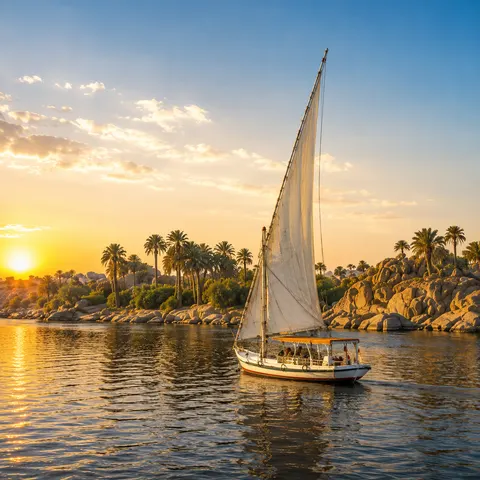
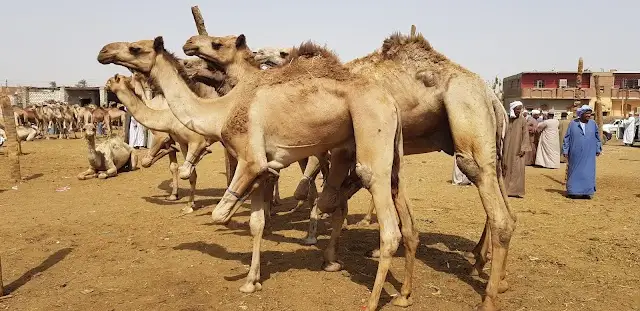
Beyond the temple, the river itself is the pleasure. A felucca drifts you out onto the Nile where the light is best, the sail filling and falling slack. On the bank, look for the deep cylindrical Nilometer once used to gauge the annual flood. Time your visit well and you can detour to the camel market at nearby Daraw, one of the largest in Egypt, where animals driven up from Sudan change hands in a dusty, noisy, entirely unromantic spectacle — a reminder that this stretch of the Nile has been a trading crossroads for far longer than any temple has stood here.
The pleasant season runs from October to April, when warm, dry days give way to cool evenings perfect for watching the temple turn gold at sunset from a felucca. As an Upper Egyptian town north of Aswan, Kom Ombo suffers the same brutal summer as the rest of the region — searing heat well past 40°C from June to August, when the riverbank offers little relief by day. In the hot months, take the temple early or save it for the cool of late afternoon, when the river breeze finally stirs.
Kom Ombo sits on the Nile north of Aswan, and the great majority of visitors arrive by cruise boat, which ties up directly below the temple — a few steps up the bank and you are there. It is equally easy as a short road trip from Aswan, often combined with Edfu to the north. The riverside setting invites a felucca outing on the Nile, and the camel market at Daraw, a little to the south, makes a worthwhile early-morning detour by car, busiest on its traditional market days.
The best time to visit Kom Ombo is October–April, when the weather is at its kindest for sightseeing.
Plan around 1 day in Kom Ombo to enjoy the highlights without rushing — add more if you like a slower pace or day trips.
In Kom Ombo, don't miss Temple of Kom Ombo, The Crocodile Museum, and Daraw Camel Market.
Ratings & photos from Google