Grand Egyptian Museum
4.9The world's largest archaeological museum, finally home to Tutankhamun's complete 5,000-piece treasure beside the pyramids.
Category
Monuments, temples & icons
123 places across 34 destinations.
The world's largest archaeological museum, finally home to Tutankhamun's complete 5,000-piece treasure beside the pyramids.
The only surviving ancient wonder — 2.3 million blocks rising 139m, with a claustrophobic climb to the King's Chamber.
The largest religious complex ever built, its Great Hypostyle Hall a forest of 134 colossal sandstone columns.
Ramesses II's mountain-carved colossi near the Sudanese border — the most awe-inspiring monument in all Egypt.
Four 20m colossi of the pharaoh guard a mountain temple carved for eternity — the supreme statement of Pharaonic power.
A dreamscape of wind-sculpted chalk mushrooms and pinnacles glowing pink at dusk and ghost-white under the moon.
Farafra sits on the doorstep of the chalk wonderland — its inselbergs and mushroom rocks are closest from here.
The enigmatic lion-bodied guardian, carved from a single limestone outcrop, gazing east toward the rising sun.
The royal necropolis where 63 pharaohs including Tutankhamun were buried in vividly painted rock-cut tombs.
A riverside temple linked to Karnak by an avenue of sphinxes, breathtaking when floodlit against the night sky.
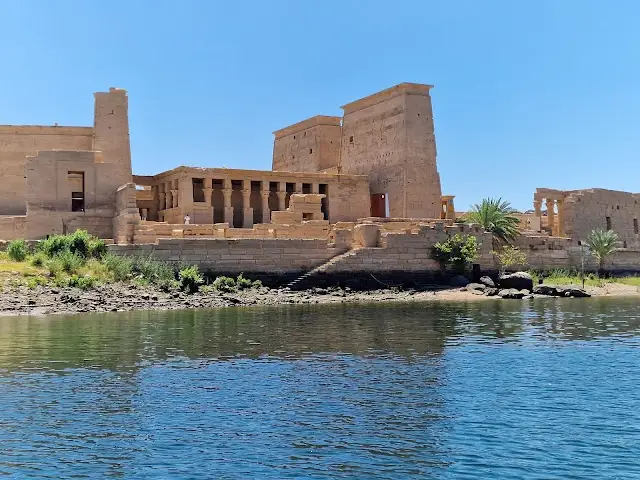
The romantic island temple of Isis, painstakingly relocated stone by stone to Agilkia after the High Dam rose.
A UNESCO desert museum where 40-million-year-old whale skeletons lie exactly where they fell on an ancient seabed.
The largest and most complete temple in Egypt, its towering pylon and dark sanctuary virtually untouched by time.
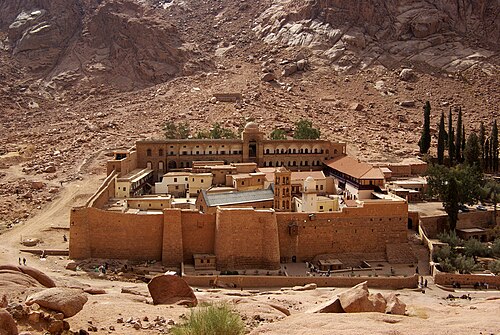
The 6th-century Greek Orthodox monastery at the foot of Mount Sinai — a UNESCO site holding priceless icons and the oldest continuously used library on earth.
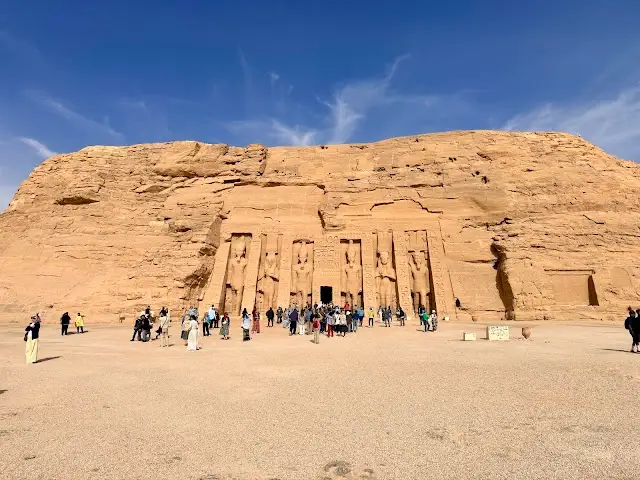
The smaller temple where Ramesses honoured his queen as a goddess, her statues standing equal in height to his own.
Egypt's most complete temple, its hypostyle hall ceiling restored to vivid blues and golds above colossal Hathor columns.
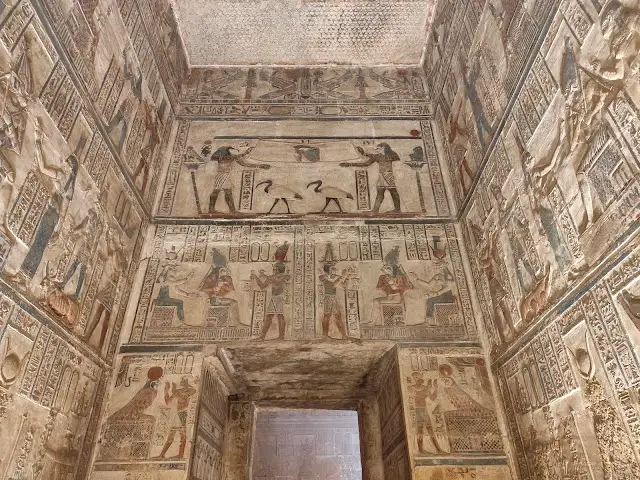
An L-shaped temple of seven sanctuaries whose painted bas-reliefs are the most exquisite and delicate in all Egypt.
A dazzling tilted glass disc on the waterfront reviving the legendary ancient library as a 21st-century temple of knowledge.
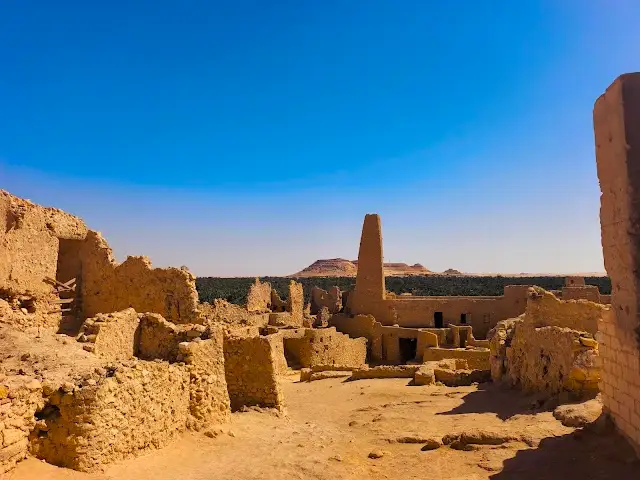
The 6th-century-BC temple whose oracle famously declared Alexander the Great a living god and son of Amun.
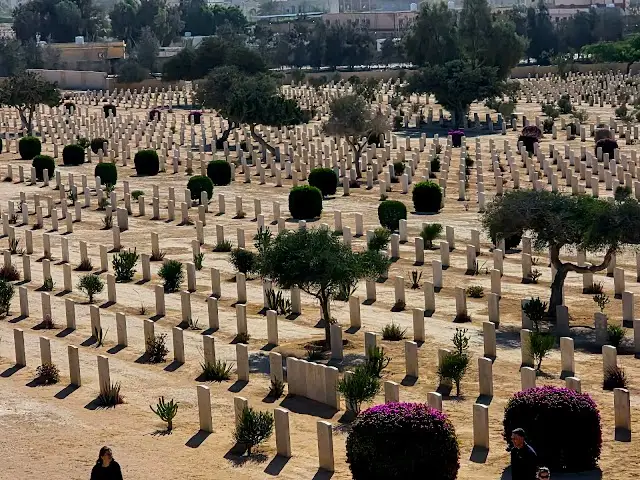
Over 7,000 headstones in serene desert rows honour the Allied soldiers of the 1942 battle that turned the war in North Africa.
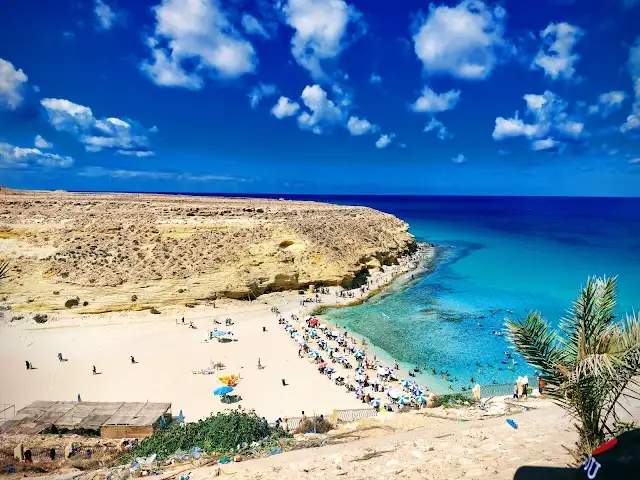
A tiny cliff-framed cove whose name means 'miracle' — emerald water glimpsed from a dramatic clifftop staircase.
A rocky islet crowned by Salah El-Din's 12th-century citadel, guarding the gulf just offshore — reached by short boat.
A rare double temple split down the middle for Sobek and Haroeris, glowing gold above the Nile at sunset.
A celestial map of the heavens carved in a ceiling chapel — the original is in the Louvre, a faithful cast in place.
A wall where Seti and young Ramesses honour 76 royal ancestors — a priceless roll-call of Egypt's pharaohs.
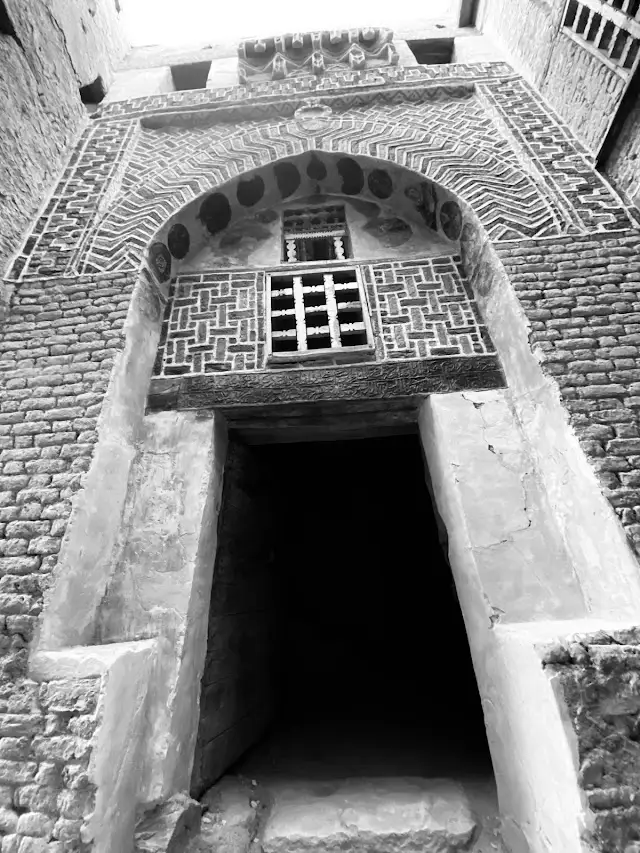
A labyrinth of mud-brick lanes, carved lintels and a covered bazaar — the best-preserved Islamic-era town in the desert.
A dazzling offshore sandbar reached by boat, where shallow turquoise water and a beach bar make a perfect day.
A 15th-century sea fort built on the rubble of the Pharos Lighthouse, jutting into the Med at the harbour mouth.
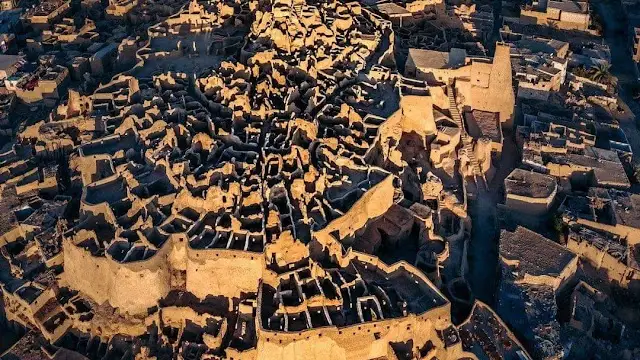
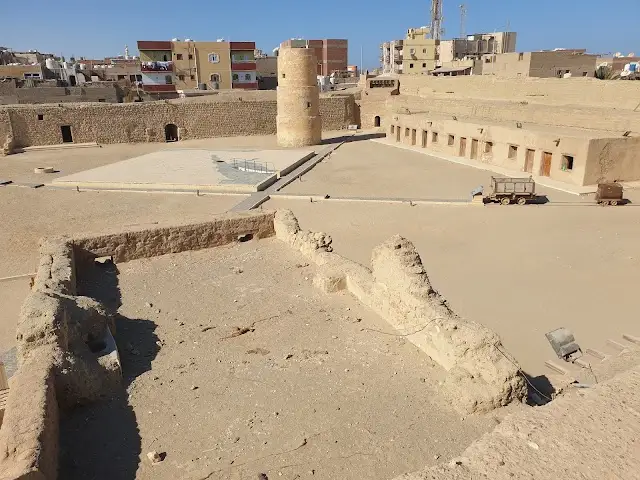
The melting mudbrick citadel at Siwa's heart, a 13th-century labyrinth of kershef walls best climbed at sunset.
A rare townscape of 17th–19th-century brick houses with timber balconies, the largest concentration of Ottoman domestic architecture in Egypt.
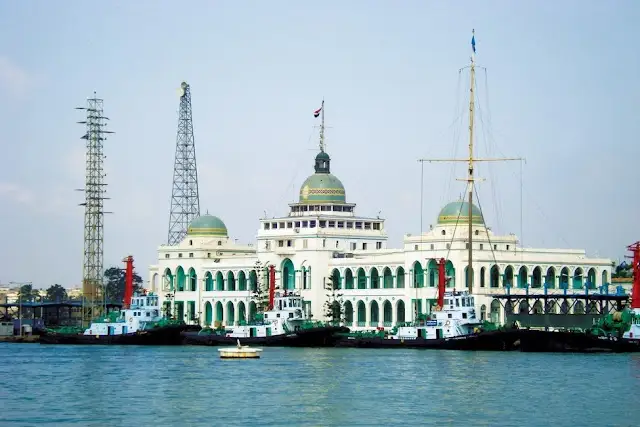
The triple green-domed 1894 landmark presiding over the canal entrance — Port Said's most photographed silhouette.
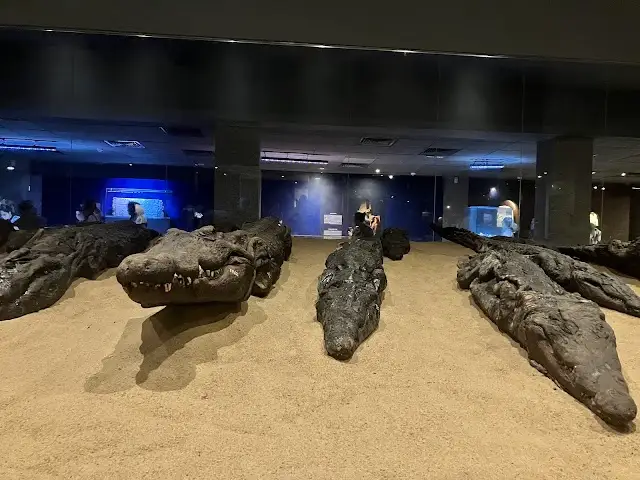
Dozens of mummified crocodiles sacred to Sobek, beautifully displayed beside the temple that worshipped them.
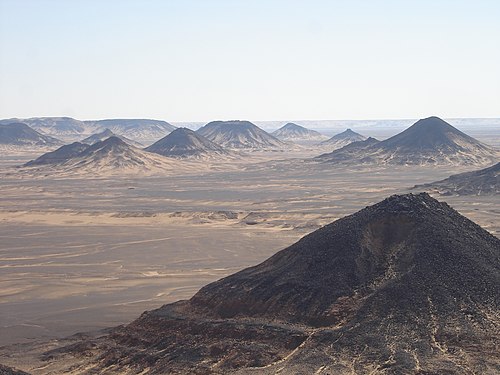
Cones of black volcanic rock scattered over orange sand, a stark moonscape on the road south from the oasis.
The 15th-century Qaitbay-era coastal fort where French soldiers unearthed the Rosetta Stone in 1799.
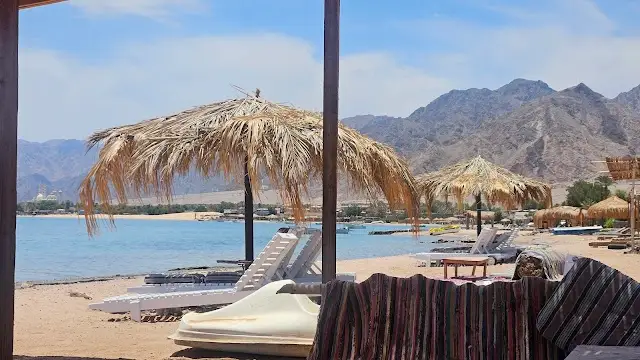
Nuweiba's palm-fringed strip of laid-back camps and beach bars, the social heart of the bay at sundown.
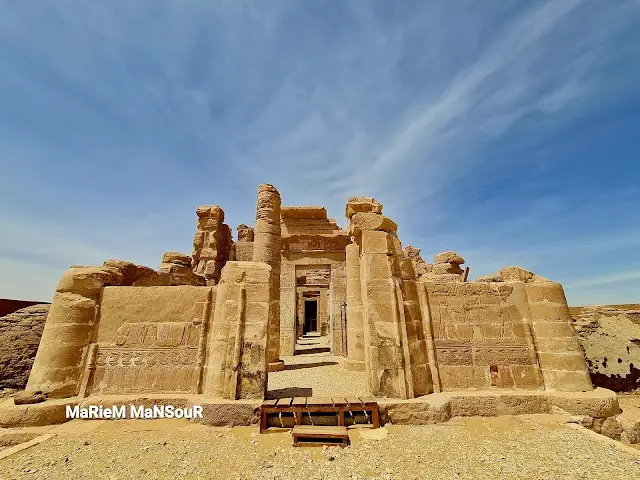
A compact Roman sandstone temple to the Theban triad, marooned beautifully in open desert west of Al-Qasr.
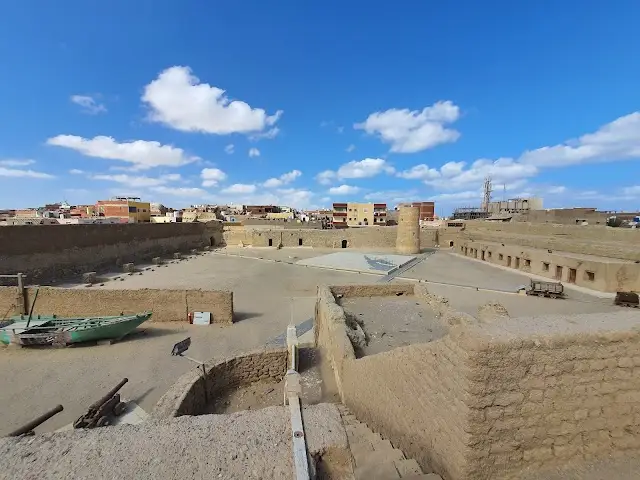
The 16th-century Sultan Selim fortress guarding the old harbour, now a museum of the town's spice- and pilgrim-trade past.
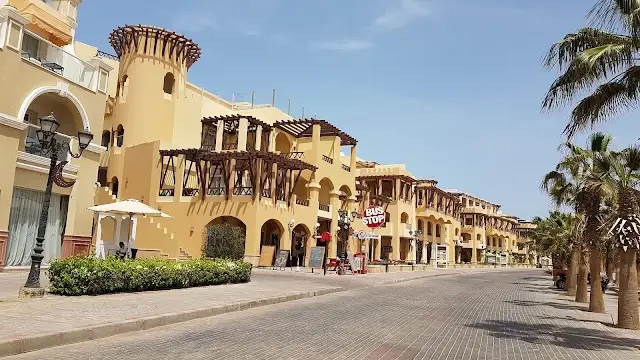
A grand seafront piazza of domes, arcades and fountains lined with cafés — the elegant heart of the bay.
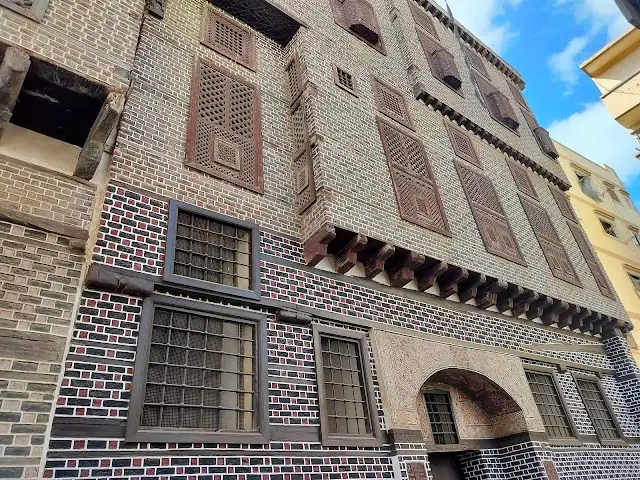
A restored Ottoman merchant mansion of patterned brick and carved mashrabiya, now a museum of Rashid's golden age.
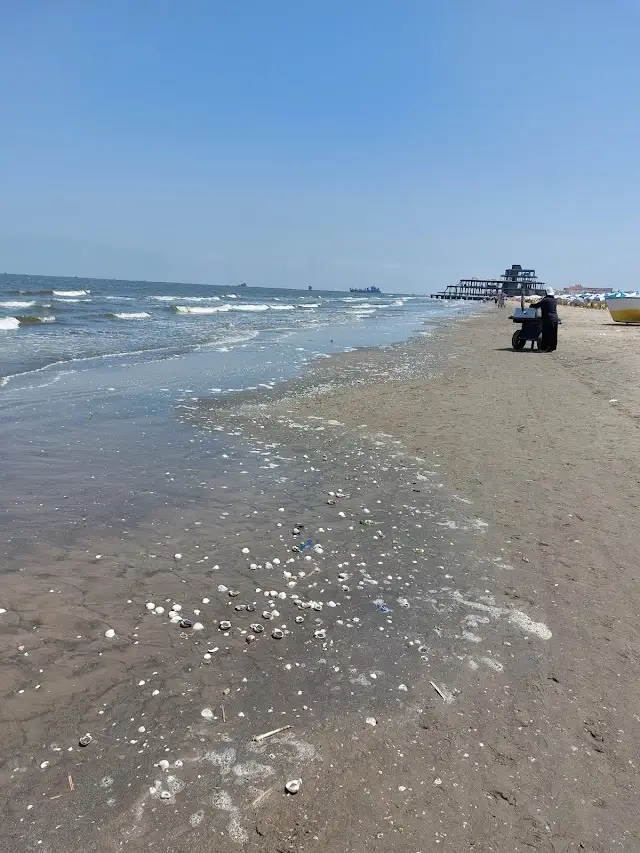
A breezy Mediterranean promenade where families gather at dusk to watch container ships line up for the canal.
Coral-block houses with carved wooden balconies line sleepy lanes around the harbour — a rare old Red Sea townscape.
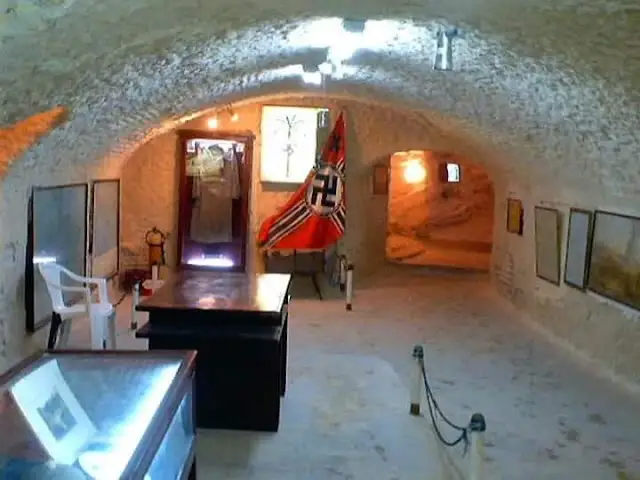
The sheltered cove where the Desert Fox swam, with a cliff cave he used as a WWII command post, now a small museum.
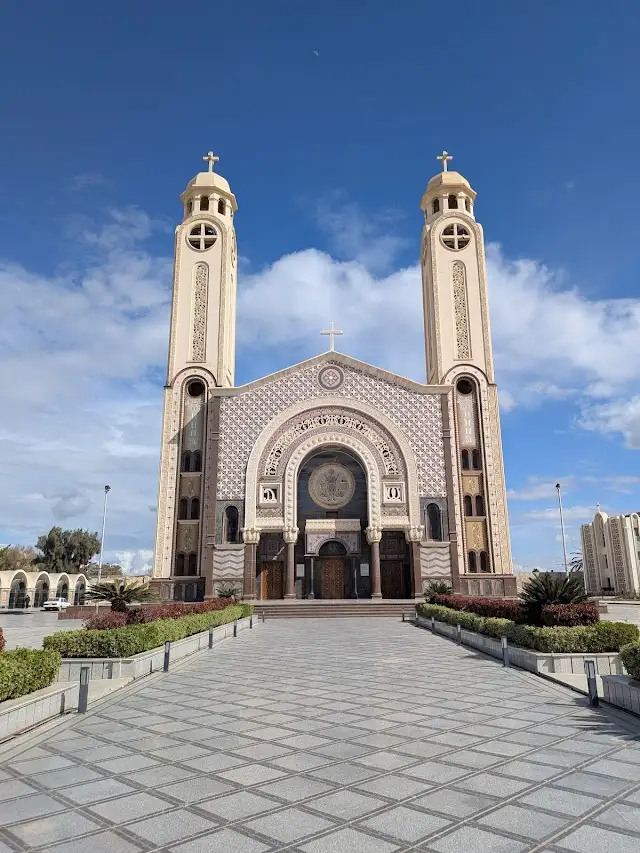
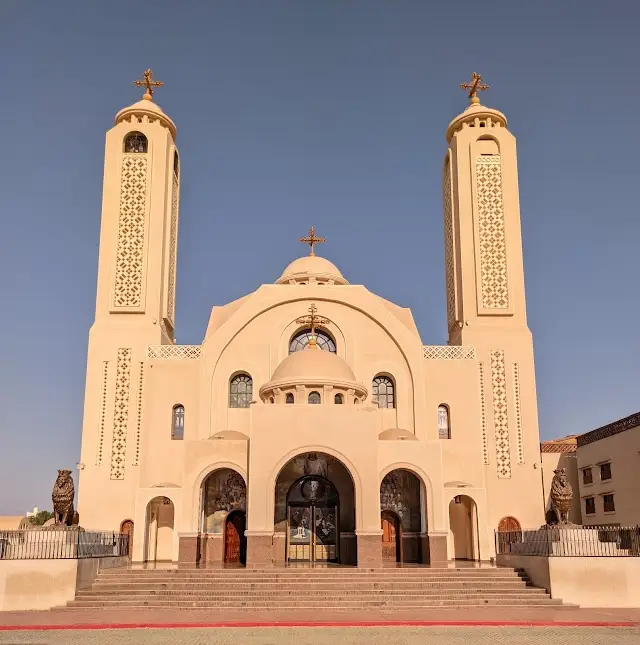
Coptic cathedral in Sharm el-Sheikh celebrated for its elaborate biblical murals and ornate interior.
Desert safari operator near Marsa Alam running camel rides and excursions into the Red Sea hinterland.
Desert safari operator near Port Ghalib running camel rides and guided excursions into the Eastern Desert.
A desert safari operator running 4x4, quad and Bedouin-camp excursions into the hills around Hurghada.
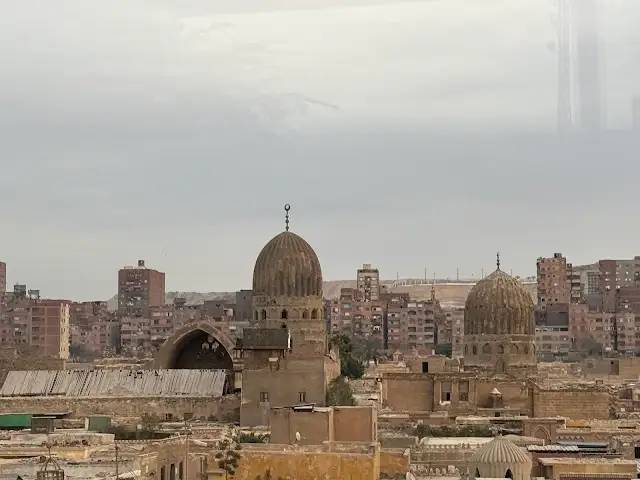
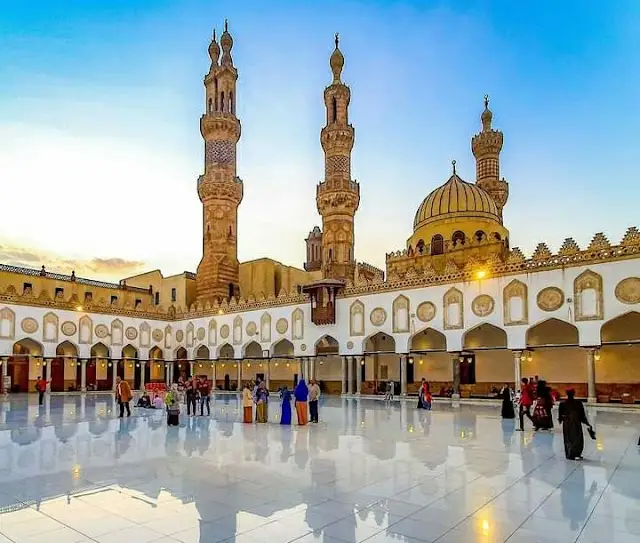
The open-air museum of Islamic Cairo, a glowing pedestrian spine of mosques, sabils and madrasas after dark.
Major museum tracing Egyptian civilization across eras, celebrated for its Royal Mummies Hall and one of Cairo's top cultural stops.
+75 more places across the app — open a destination to see them all.